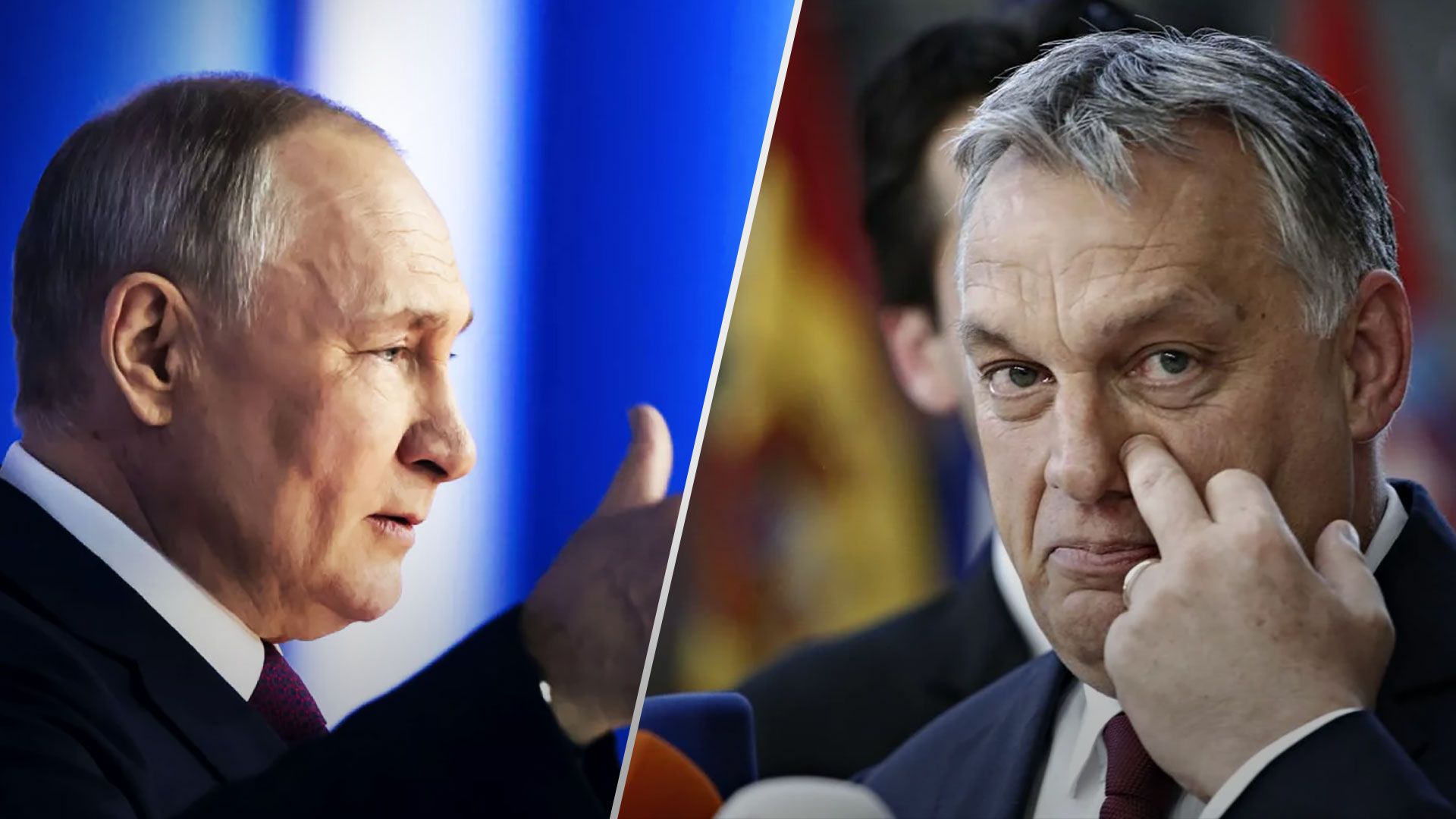
Hungary has faced a storm of criticism from the US over its unwavering dependence on Russian gas. Despite global sanctions and overall distancing from Russia following the invasion of Ukraine, Hungary continues to develop its ties with Moscow.
Hungary’s energy ties with Russia
Last Thursday, Hungary announced its intention to deepen cooperation with Russia. This happened the day after it signed a deal to acquire 5% shares of the Azerbaijani Shah Deniz gas field. Hungary’s Foreign Minister, Peter Szijjarto, traveled to St. Petersburg to affirm the importance of energy ties with Russia. While most Western European countries are trying to reduce their dependence on Russian gas, landlocked Hungary continues to receive 4.5 billion cubic metres of gas per year from Russia under a 15-year agreement signed in 2021.
Comments and criticism
During an economic forum in St. Petersburg, Szijjarto stated that Hungary is satisfied with its cooperation with Russia on gas supplies and does not plan to change course, despite international pressure. He emphasized that the country’s power supply is impossible without Russian resources: “You can mock, find excuses or criticize, but it doesn’t matter. It’s impossible to provide Hungary’s energy supply without Russian energy resources, and it has nothing to do with politics or ideology, but is rooted in simple facts of physics,” he wrote on Facebook.
These statements earned sharp criticism from the US. The US ambassador to Hungary, David Pressman, responded by stating that Hungary’s dependence on Russian energy is dangerous and unnecessary: “The laws of physics in Hungary are no different from the laws of physics in any of Hungary’s EU partners, each of whom decided to reduce dependence on Putin.”
Political context
Hungary is the only EU country whose leadership, led by Prime Minister Viktor Orban, maintains friendly relations with Vladimir Putin following Moscow’s invasion of Ukraine. Orban’s government regularly unnerves its EU and NATO allies, maintaining close business ties with Russia and refusing to send weapons to Ukraine. Prior to Szijarto’s visit, Orban stated that he aims to expand business ties with Moscow in areas that have not been affected by Western sanctions.
Such actions by Hungary raise concerns and tensions among international partners, who call for unity and coordination in the fight against Russian aggression.