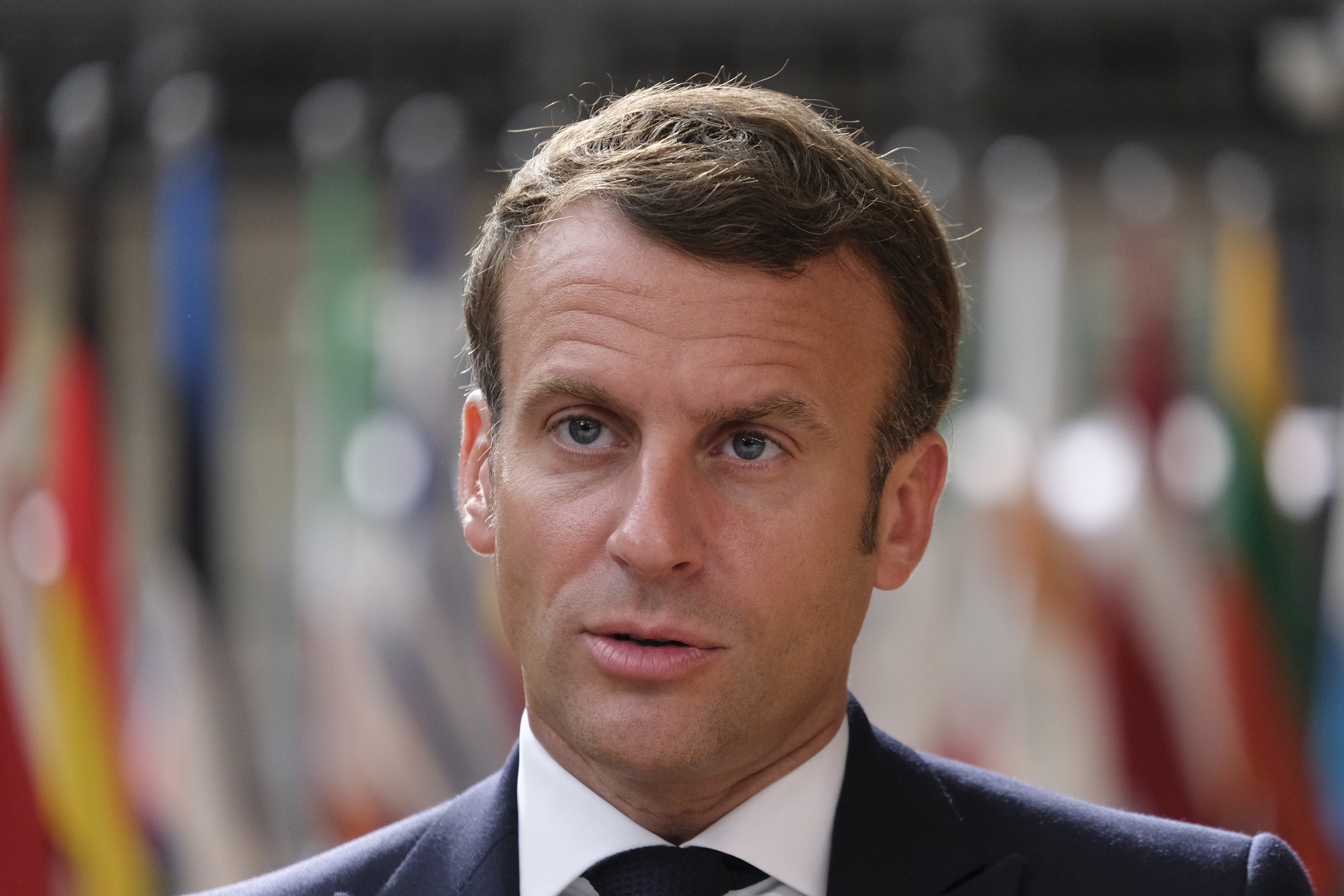
French President Emmanuel Macron and British Prime Minister Keir Starmer have presented a new plan to resolve the Russian-Ukrainian conflict, which involves achieving peace through gradual steps. This initiative consists of two main stages: first – a partial ceasefire, then – full peace negotiations.
Partial Ceasefire: First Step Towards Peace
According to the plan, a partial ceasefire is proposed for a one-month term, which will include the cessation of hostilities in the air, at sea, and against energy infrastructure. This ceasefire will not apply to ground combat along the front line, as monitoring compliance with the cessation of fire across such a vast territory is complex. Macron explained that the advantage of this approach lies in the possibility of effective monitoring of its implementation.
Peace Readiness Check
French Foreign Minister Jean-Noël Barro noted that this partial ceasefire will allow checking Russia’s readiness to comply with the agreements. If Moscow agrees to these conditions, it will signal the start of actual peace negotiations. Barro emphasized that the goal is to achieve a reliable and lasting peace.
Peacekeeping Mission: Next Stage
The plan’s second stage involves the deployment of European peacekeeping forces in Ukraine after achieving a stable ceasefire and signing a peace agreement. Macron stated that the deployment of European troops in Ukraine is not planned in the coming weeks. Initially, time must be used to achieve a ceasefire and conduct negotiations, and only after signing a peace agreement can the deployment of peacekeeping forces be possible.
Reaction of Ukraine and the International Community
Ukrainian President Volodymyr Zelensky stated that he is aware of this initiative, but the details of the plan still need to be discussed. The international community has generally positively received the proposal, however, some experts express concerns about the possibility of Russia using the ceasefire to regroup forces.
Strengthening Europe’s Defense Capabilities
In the context of this initiative, Macron and Starmer also emphasized the need to increase investments in defense by European countries. They proposed raising defense budgets to 3-3.5% of GDP to ensure the proper level of security and readiness for potential challenges in the future.
This phased approach to establishing peace in Ukraine demonstrates the European leaders’ desire to find realistic and controlled ways to end the conflict, ensuring stability and security in the region.